
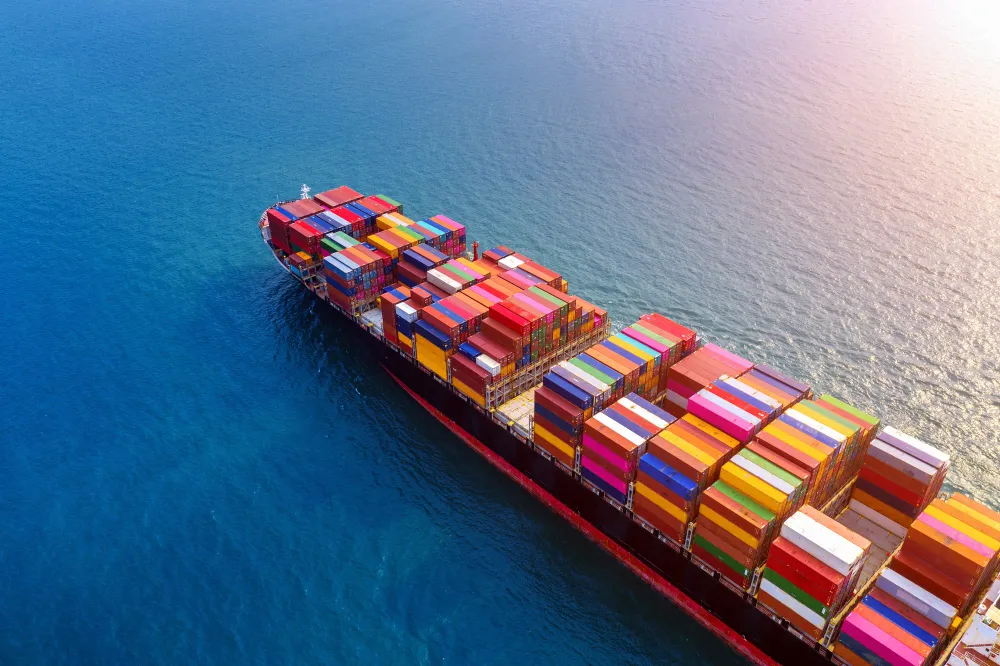
What Is Sea Freight?
Sea freight is a primary method for transporting goods in international trade, utilizing commercial vessels and maritime routes. It is widely used for moving large-volume shipments, heavy cargo, raw materials, industrial equipment, and commercial goods in bulk.
Compared to air freight, sea freight is generally more cost-effective for large volumes of goods; however, factors such as transit time, port conditions, vessel schedules, and customs procedures must be taken into account during the planning process.
Types of Sea Freight
Full Container Load (FCL)
In FCL shipping, an entire container is dedicated exclusively to the cargo of a single shipper. This method is typically suitable for shipments with sufficient volume to utilize a significant portion—or the entirety—of a container’s capacity.
The advantages of FCL shipping include:
- Dedicated container management
- Reduced cargo handling during the consolidation process
- Suitable for bulky shipments
- Enables better planning for loading and unloading
The type of container is selected based on volume, weight, type of cargo, and shipping conditions.
Less than Container Load (LCL) Shipping
In LCL shipping, a single shipper’s cargo does not occupy the entire container; instead, shipments from multiple owners are consolidated into one container.
This method is suitable for importers and exporters whose cargo volume is less than the capacity of a full container.
Advantages of LCL shipping:
- No need to rent an entire container
- Ability to ship smaller consignments
- Utilization of shared container capacity
- Shipping costs managed based on volume or weight and service terms
In the transport of less-than-container load (LCL) shipments, the processes of consolidating and deconsolidating cargo, as well as the costs associated with warehousing and terminal services, must also be considered.
What types of goods are transported via sea freight?
Sea freight is suitable for a wide range of goods, including:
- Industrial machinery and equipment
- Factory raw materials
- Commercial and trade products
- Packaged goods
- Bulky and heavy goods
- Containerized shipments
- Certain types of bulk cargo
For specific types of cargo—such as hazardous materials, chemicals, or sensitive goods—compliance with regulations and obtaining the necessary approvals is essential.
Factors Determining Sea Freight Costs
The cost of sea freight is determined by a combination of factors:
- Port of origin and port of destination
- Cargo volume and weight
- Container type
- FCL (Full Container Load) or LCL (Less than Container Load) shipment
- Type of goods
- Shipping market conditions and vessel capacity
- Port charges and ancillary services
- Potential warehousing and unloading costs
- Contract terms and requested services
Therefore, to obtain an accurate quote, the shipment details and the route must be provided to the shipping company.
Stages of Sea Freight
The sea freight process generally involves the following steps:
1. Declaring shipment details and the transport route
2. Reviewing terms and obtaining a quote
3. Selecting the shipping method (containerized or less-than-container load/break-bulk)
4. Coordinating the booking and preparing the shipment
5. Loading the cargo and delivering it to the port
6. Preparing shipping documents and commercial paperwork
7. Transporting the goods via vessel
8. Handling destination procedures and cargo delivery
Proper planning of these stages can help avoid additional costs and unnecessary delays.
Sea Freight or Air Freight?
If delivery time is the primary priority, air freight may be the more suitable choice. Conversely, if the volume of goods is large and time constraints are less critical, sea freight may be a more cost-effective option.
The choice of transport method depends on the type of goods, the required timeframe, your budget, and the conditions of the route.
Azim Tarabar Sea Freight Services
Azim Tarabar International Transport Company offers sea freight services for containerized cargo, less-than-container load (LCL) shipments, and bulk cargo.
To select the optimal route and evaluate sea freight costs, please provide the specifications of your goods—including cargo volume, weight, origin, and destination—to receive professional consultation and a rate quote.